Why take Dalcroze Music classes?
The research on how movement inspires musical learning
Dalcroze Eurhythmics has been helping children learn music through movement for more than a century, and researchers continue to study its benefits for music learning and child development. The research behind Dalcroze Eurhythmics highlights its complexity, cognitive benefits, and proven effectiveness.
Research on Dalcroze Eurhythmics specifically found that body movement acts as a bridge from concrete physical action to abstract musical understanding.
Juntunen, M.-L., & Hyvönen, L. (2004). Embodiment in musical knowing: How body movement facilitates learning within Dalcroze eurhythmics. British Journal of Music Education, 21(2),199–214.
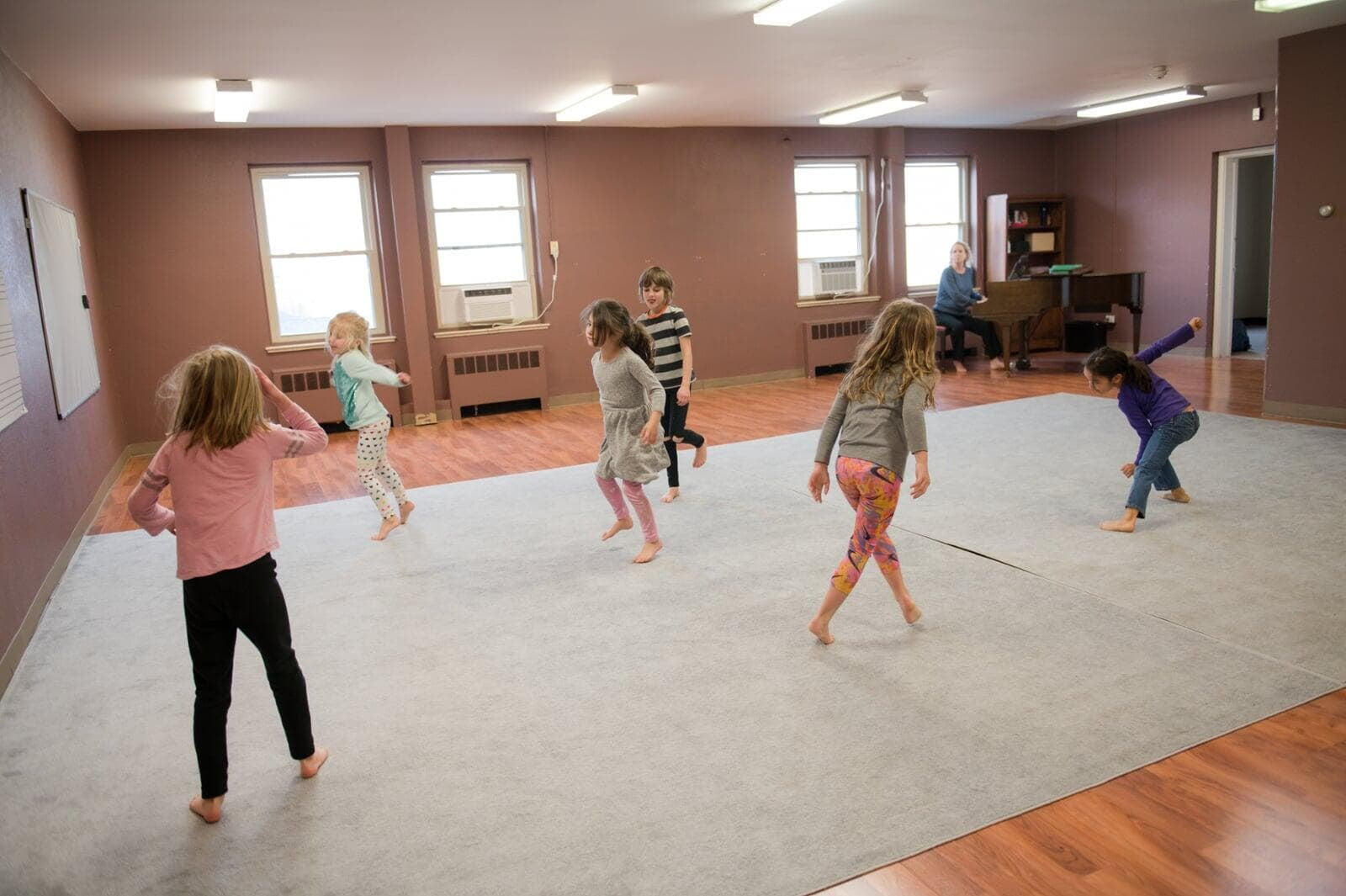
- Steadier internal sense of beat
- Better coordination between ear and body
- Musical concepts grasped physically before they can be named
Dalcroze developed the idea of sensorimotor integration and musical experience
Altenmüller, Eckart & Scholz, Daniel. (2016). Émile Jaques-Dalcroze as a visionary pioneer of Neurologic Music Therapy. Approaches: An Interdisciplinary Journal of Music Therapy. 8. 10.56883/aijmt.2016.332.
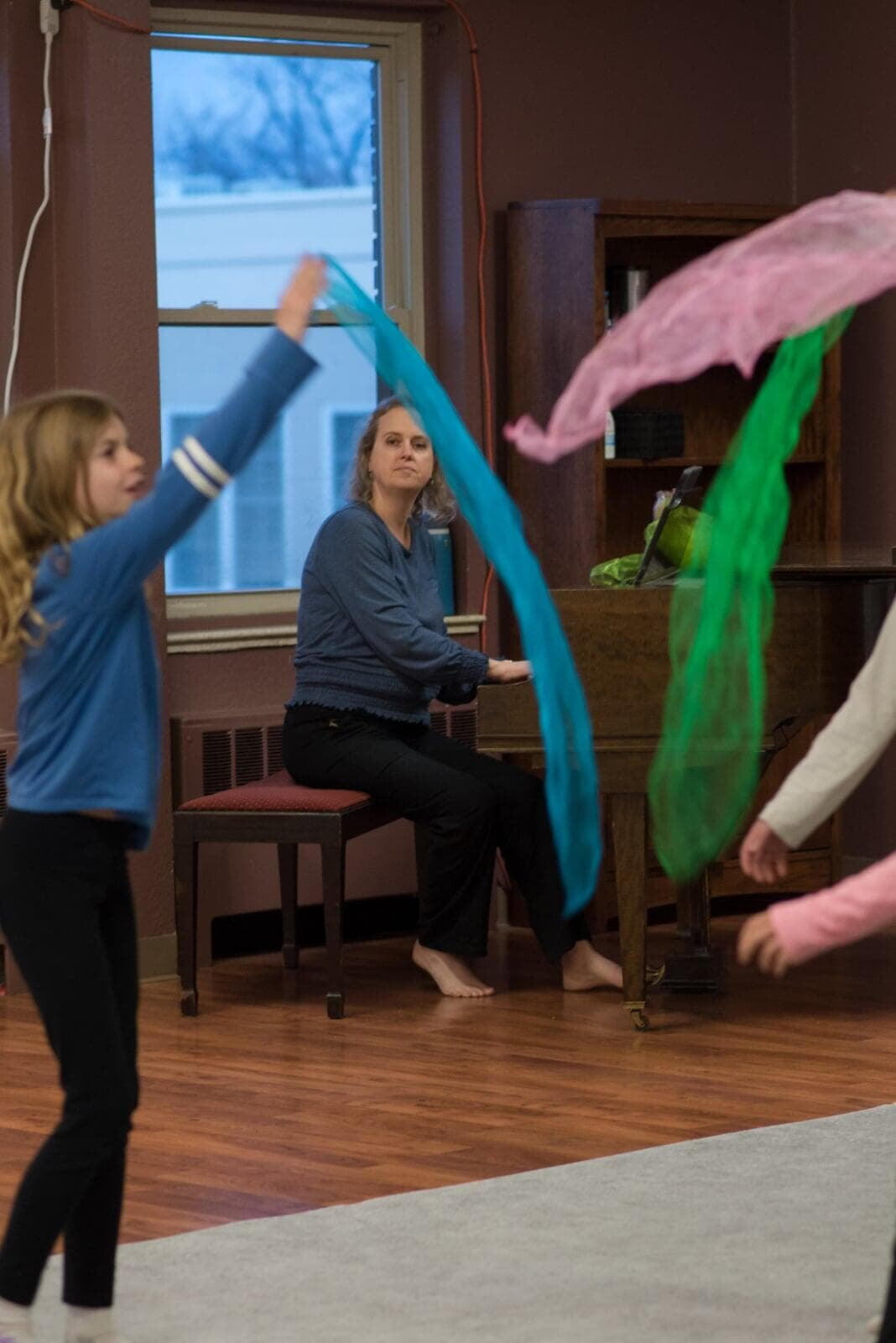
We are still learning more about our human brains and bodies and how they are connected, but Émile Jaques-Dalcroze was ahead of his time in figuring out how to teach music. In the research paper Émile Jaques-Dalcroze as a visionary pioneer of Neurologic Music Therapy the authors state "Émile Jaques-Dalcroze (1865-1950) anticipated contemporary neuroscientific concepts in his educational method of learning and experiencing music through movement, namely Dalcroze Eurhythmics. He developed the idea of sensorimotor integration as it relates to musical experience and thus contributed crucially to the emergence of Neurologic Music Therapy." They go on to talk more about brain plasticity and the concepts of embodiment in this article.
Group music-making grows more than musical skill
Hallam, S. (2010). The power of music: Its impact on the intellectual, social and personal development of children and young people. International Journal of Music Education, 28(1),269–289.
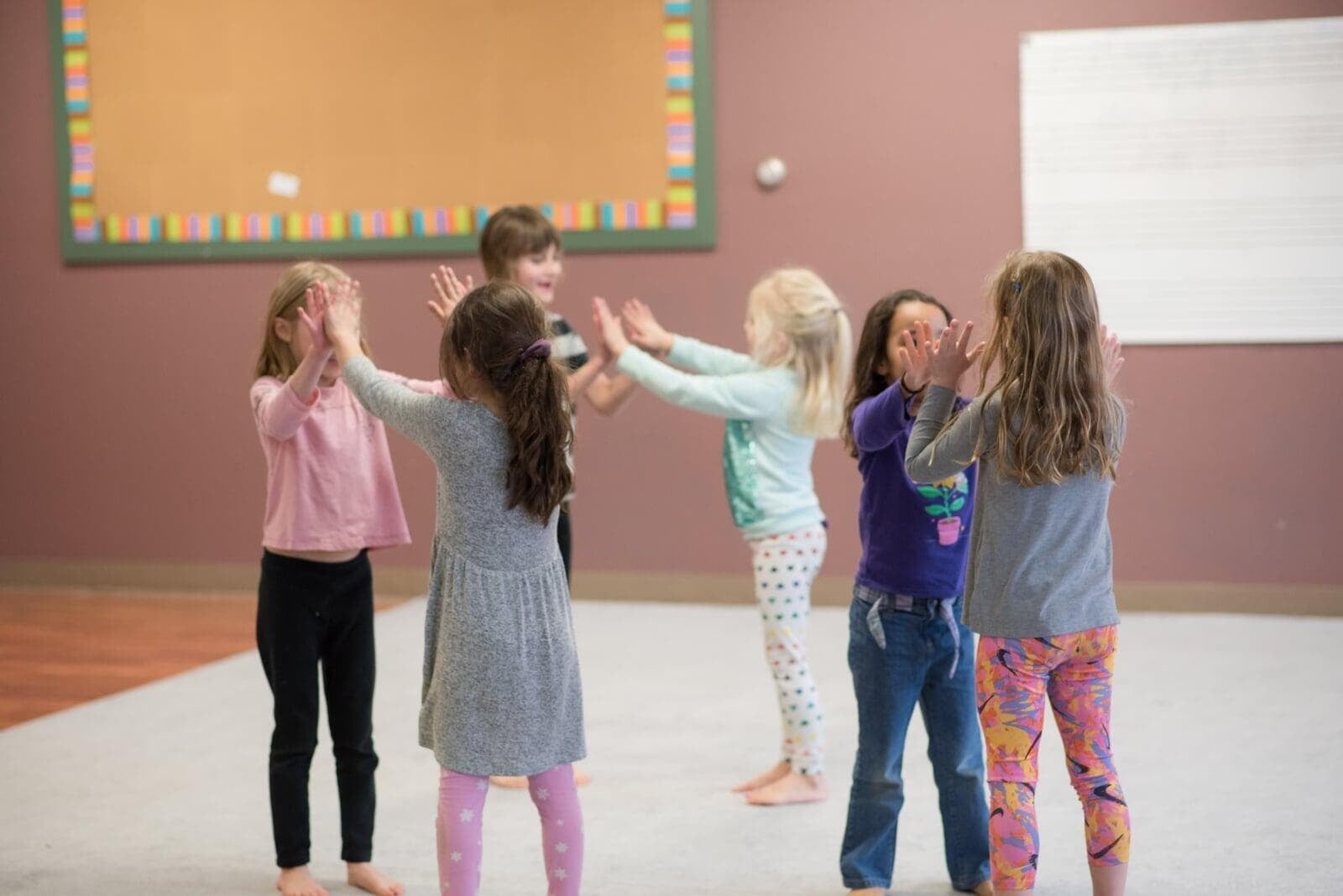
A broad review of music education research links children’s participation in music with gains in listening and language skills, self-confidence, and social behaviors such as cooperation and empathy:
- Self-confidence and willingness to take creative risks
- Cooperation and reading social cues in a group
- Language development and expressive vocabulary
Group music-making grows more than musical skill
Hallam, S. (2010). The power of music: Its impact on the intellectual, social and personal development of children and young people. International Journal of Music Education, 28(1),269–289.
A broad review of music education research links children’s participation in music with gains in listening and language skills, self-confidence, and social behaviors such as cooperation and empathy:
- Self-confidence and willingness to take creative risks
- Cooperation and reading social cues in a group
- Language development and expressive vocabulary
Executive Function Research and notes on how this parallels with Dalcroze Education principles and techniques
Diamond A. Executive functions. Annu Rev Psychol. 2013;64:135-68. doi: 10.1146/annurev-psych-113011-143750. Epub 2012 Sep 27. PMID: 23020641; PMCID: PMC4084861.
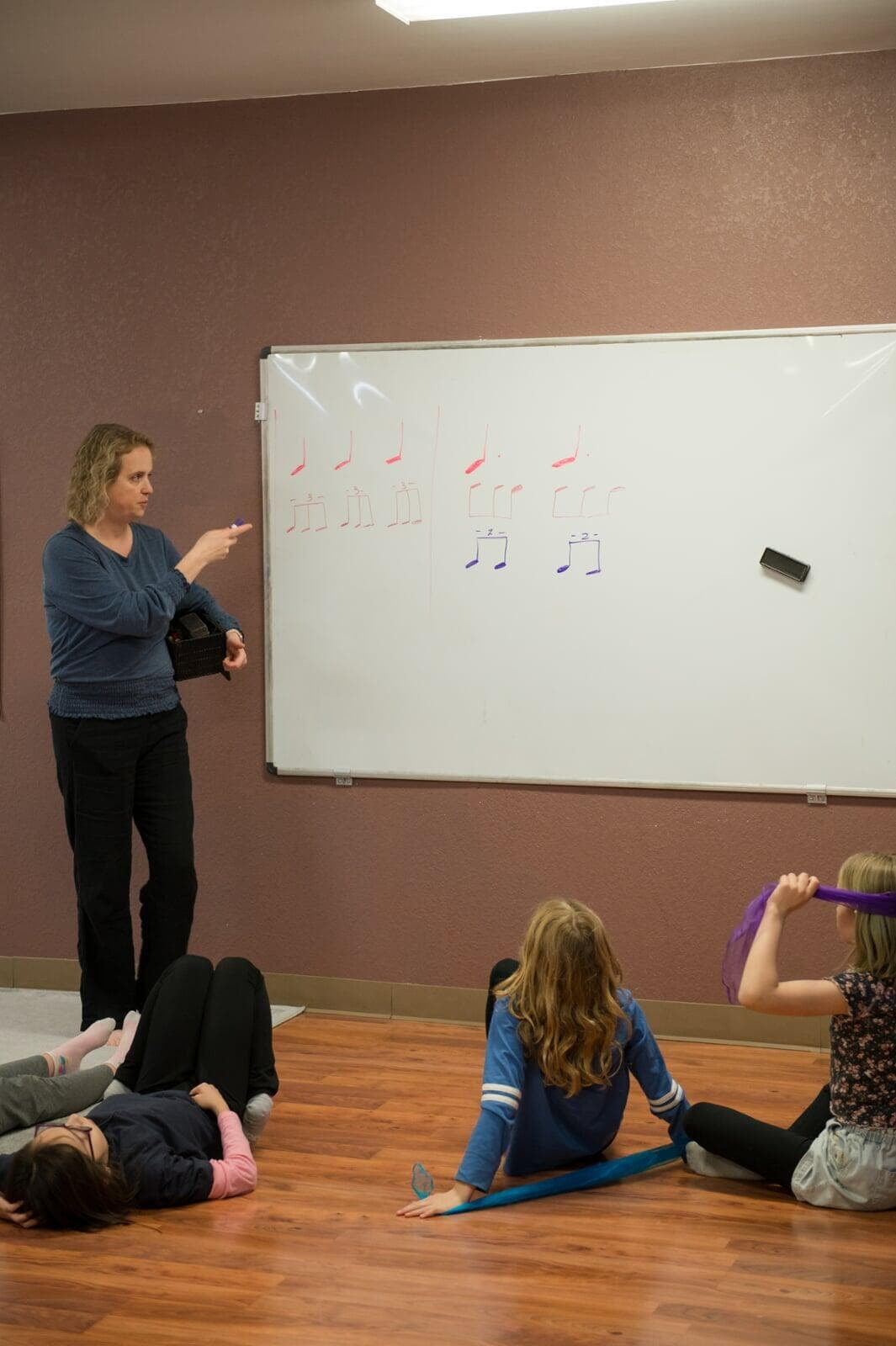
Adele Diamond’s 2013 article, "Executive Functions," published in the Annual Review of Psychology details how cognitive control and self-regulation develop in the brain. She does not specifically study Dalcroze Eurhythmics, however Dalcroze Eurhythmics naturally addresses many of her findings in regular classes.
Diamond identifies three core components of executive function (EF):
- Inhibitory Control: The ability to control impulses, resist temptations, and stay focused.
- Working Memory: The capacity to hold and manipulate information in mind over short periods.
- Cognitive Flexibility: The skill to creatively adapt to changing rules, perspectives, or circumstances.
Connecting to Dalcroze Eurhythmics
Dalcroze Eurhythmics, which teaches rhythm, structure, and musical expression through physical movement, actively engages and builds these exact pathways:
- Physical Inhibition: In Dalcroze classes we often use quick reaction as a tool for learning. A quick reaction exercise requires active listening and then a quick reaction in the body to respond to the change. One classic example is the use of the words "hip" and "hop": when the music is playing and you are moving a regular walking pace when the teacher says "hip" you move twice as fast. When the teacher says "hop" you move twice as slow. This allows the teacher to quickly assess whether the student has processed and physically responded to the cue, while maintaining a playful, engaging environment that encourages immediate physical adaptation. The teacher is able to make this happen because they are improvising music for the class at the piano or drum and can interact with the class to make the cues happen at novel intervals.
- Divided Attention & Working Memory: In Dalcroze classes we often will first make an association with a musical sound (i.e. step with the beat), and then we will ask the participants to then disassociate from that sound and do something different with their hands or their voice. This divides the attention in the brain and it requires one of the movements to become automatized in a way that the brain doesn't have to think to make it happen, but you can start to rely on your body and the feeling it generates to stay in time or to stay with the beat.
- Joyful Cognitive Training: Joyful movement is a core principle of Dalcroze Education.